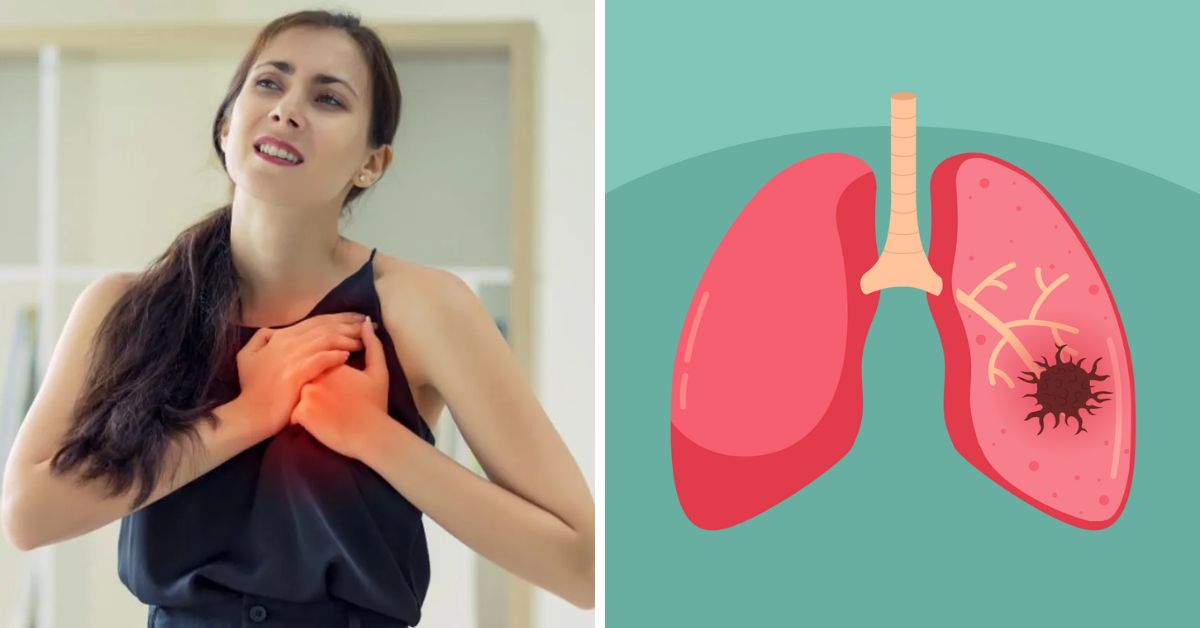
Lung cancer is one of the most serious and deadly cancers globally but when it comes to early symptoms of lung cancer in women, many warning signs are often subtle, misinterpreted, or completely missed. Unlike other types of cancer, lung cancer may not show noticeable symptoms until it’s already in an advanced stage. However, recognising the early indicators especially those unique to women can significantly improve survival chances.
This article is a detailed guide created to help women understand the early signs of lung cancer, what makes symptoms different from those in men, and how to take timely action. Lung cancer is not just a smoker’s disease it affects non-smokers and young women too. That’s why awareness, early detection, and prompt medical evaluation are critical.
We’ll cover:
- The most common and uncommon early symptoms
- How lung cancer manifests differently in women
- Risk factors specific to females
- Why misdiagnosis is common
- Screening, diagnosis, and treatment if caught early
Whether you’re experiencing unexplained fatigue, a persistent cough, or unusual back pain, understanding these warning signs can help you or someone you love seek medical help sooner. Lung cancer is treatable when caught in the early stages and your awareness could save a life.
Let’s begin by understanding what lung cancer really is and how it starts.
What Is Lung Cancer?
Lung cancer is a disease in which abnormal cells in the lungs grow uncontrollably and form a tumour. These cancerous cells can interfere with lung function, spread to other organs, and become life-threatening if not treated in time.
The lungs are two sponge-like organs located in your chest that help you breathe. Their job is to bring oxygen into your body and remove carbon dioxide. When lung tissue becomes damaged by smoking, environmental toxins, or genetic mutations, cells may begin to multiply abnormally and form tumours.
There are two main types of lung cancer:
- Non-Small Cell Lung Cancer (NSCLC): The most common type, accounting for 85% of cases. It grows slower and is more likely to be diagnosed early.
- Small Cell Lung Cancer (SCLC): More aggressive and fast-growing. Often spreads before it’s diagnosed.
In women, NSCLC especially adenocarcinoma is more common. This type often forms in the outer parts of the lungs and is harder to detect in early stages due to vague or absent symptoms.
Many people assume lung cancer only affects smokers. While smoking is a leading risk factor, a significant number of lung cancer cases in women occur in non-smokers, making early awareness even more vital.
Now let’s look at why lung cancer in women is often missed or overlooked.
Why Lung Cancer in Women Is Often Overlooked?
When it comes to early symptoms of lung cancer in women, there’s a dangerous gap in awareness both among the public and healthcare providers. Women often experience different symptoms from men, leading to misdiagnosis or delays in treatment.
1. Atypical Symptoms
Many women with lung cancer don’t show the “classic” symptoms like chronic coughing or coughing up blood. Instead, they might experience:
- Mild shortness of breath
- Fatigue
- Shoulder, back, or chest pain not linked to breathing
- Unexplained weight loss
These signs can be mistaken for anxiety, menopause, or even muscular issues.
2. Misdiagnosis Is Common
Lung cancer in women is frequently misdiagnosed as:
- Asthma
- Chronic bronchitis
- Allergies
- GERD (acid reflux)
- Stress or anxiety
Doctors may not immediately suspect lung cancer, especially in non-smokers or younger women, leading to crucial delays in diagnosis.
3. Hormonal Influences
Emerging research suggests that oestrogen may influence lung cancer development. This makes women biologically different in how they experience and progress through the disease.
4. Overlapping with Female Health Issues
Symptoms like fatigue or chest pain may be attributed to hormone shifts, heart conditions, or autoimmune disorders, causing lung cancer symptoms to be ignored.
5. Gender Bias in Medical Treatment
Historically, lung cancer has been under-studied in women. As a result, many diagnostic tools and treatment approaches are tailored toward male symptoms.
This lack of gender-specific awareness makes it even more important for women to be educated about the early symptoms of lung cancer and to advocate for themselves in clinical settings.
Next, let’s break down those early signs.
Early Symptoms of Lung Cancer in Women
Detecting early symptoms of lung cancer in women can be life-saving. Unlike more advanced stages, the early stage may present mild or nonspecific symptoms that are easy to overlook.
1. Persistent Cough (More Than 2 Weeks)
A dry or productive cough that lingers and doesn’t go away may be an early sign. It’s often mistaken for a cold or seasonal allergies.
2. Shortness of Breath
You may notice breathlessness while climbing stairs or during mild exertion. This could indicate a tumour pressing on the airways or fluid in the lungs.
3. Chest, Back, or Shoulder Pain
Women often report dull, persistent aches in the upper back, shoulders, or ribcage, even without coughing. These can be signs of a tumour pressing on nerves or the pleura.
4. Unexplained Fatigue
Chronic tiredness not linked to poor sleep or stress is one of the earliest and most overlooked symptoms.
5. Sudden Weight Loss
Losing more than 5% of your body weight without trying can be a red flag. Cancer cells often consume large amounts of energy and disrupt metabolism.
6. Hoarseness or Voice Changes
Tumours near the vocal cords or laryngeal nerves may cause hoarseness that doesn’t resolve.
7. Loss of Appetite
Reduced interest in food without any digestive issue may also be linked to cancer-related inflammation.
8. Frequent Respiratory Infections
Recurring pneumonia or bronchitis that doesn’t fully resolve could indicate a blockage in the lung.
9. Swelling in the Face or Neck
Tumours pressing on veins in the chest may lead to swelling, especially in the upper body and face.
10. Coughing Up Blood
While more common in advanced stages, even small traces of blood in phlegm should never be ignored.
These symptoms may appear alone or in clusters. If any persist for more than a few weeks, consult your doctor—especially if you’re at risk.
Unique Symptoms in Female Lung Cancer Patients
Lung cancer symptoms in women can differ subtly from those in men. Understanding these unique patterns helps improve early detection and reduce misdiagnosis.
1. Back and Shoulder Pain Without Cough
In women, adenocarcinoma often grows on the outer parts of the lungs and doesn’t immediately affect the airways. This leads to upper back or shoulder pain instead of a persistent cough.
2. Hormonal Imbalance Symptoms
Lung cancer can disrupt hormonal regulation in women, mimicking:
- Early menopause
- Irregular periods
- Mood swings
These symptoms may not immediately point to lung cancer but are important if combined with fatigue or chest discomfort.
3. Fatigue Before Respiratory Signs
Women may feel deep fatigue or brain fog even before any breathing problems arise. This is sometimes dismissed as hormonal or mental health-related.
4. Mild Voice Changes
A slight change in voice pitch or tone, or loss of voice clarity, can be an early sign in women due to tumours pressing against vocal nerves.
5. Subtle Breathing Changes
Shortness of breath might present only during routine tasks, such as bending down, walking fast, or talking for long periods. Many women attribute this to being out of shape.
6. Anxiety and General Discomfort
Some women report a sense of unease, anxiety, or something “feeling off” in their bodies. While this isn’t a clinical symptom, intuition often plays a role in early detection.
Because women may not experience the stereotypical symptoms like coughing or wheezing early on, these subtler signs become especially important. Any persistent, unexplained change in health should be checked by a doctor.
Misdiagnosis and Common Confusions
Many women with lung cancer are initially diagnosed with something else—especially if they don’t smoke. Here’s why:
1. Mislabelled as Asthma or Bronchitis
A lingering cough or chest tightness is often misattributed to seasonal asthma, especially in younger women.
2. Mistaken for Acid Reflux (GERD)
Chest pain, hoarseness, and throat irritation are common in both GERD and lung cancer. Without a scan, they can be hard to distinguish.
3. Confused With Stress or Anxiety
Shortness of breath and fatigue—key symptoms—are often dismissed as anxiety, especially in younger women with no smoking history.
4. Assumed to Be Menopausal Symptoms
Mood swings, insomnia, and fatigue may be blamed on perimenopause, leading to delays in appropriate testing.
5. Treated as Muscle Strain
Shoulder or back pain is frequently written off as a posture issue or muscle strain—especially in active women or office workers.
This widespread misdiagnosis contributes to delayed treatment and worsened prognosis. If symptoms persist despite treatment, always ask your doctor about further screening or imaging.
When to See a Doctor
It’s easy to brush off fatigue or mild coughing, but here’s when you absolutely must see a healthcare provider:
Red Flag Symptoms That Need Immediate Attention:
- A cough that lasts more than 2–3 weeks
- Unexplained weight loss
- Coughing up blood
- Persistent back, shoulder, or chest pain
- Voice changes
- Sudden shortness of breath
- Ongoing fatigue not resolved by rest
What to Expect at the Appointment
Your doctor may:
- Ask about your symptom timeline
- Take a chest X-ray
- Order blood work
- Recommend CT scans or lung function tests
If anything seems suspicious, a referral to a pulmonologist (lung specialist) or an oncologist may follow.
Trust your gut. If you feel your symptoms are being dismissed or misattributed, seek a second opinion. Early diagnosis can save your life.
Stages and Progression of Lung Cancer
Lung cancer progresses through four main stages. Knowing them helps understand why early detection is so critical.
Stage 0 (Carcinoma in situ)
Cancer is only in the top layer of lung cells. Often detected incidentally and highly treatable.
Stage I
Tumour is confined to the lung and has not spread. Usually small and operable. Survival rates are high with treatment.
Stage II
Cancer has grown larger or spread to nearby lymph nodes. Treatment may include surgery, chemotherapy, or radiation.
Stage III
Cancer has spread further in the chest. Requires aggressive, combination treatment.
Stage IV
Cancer has spread to both lungs or other organs (metastasis). Treatment is palliative—focused on prolonging life and easing symptoms.
Early symptoms of lung cancer in women often show up in Stage I or II, so acting quickly can make a significant difference in survival and quality of life.
Risk Factors for Lung Cancer in Women
Understanding your risk factors empowers you to make informed lifestyle and health decisions.
1. Smoking (Including Passive Exposure)
Though more women are non-smokers, tobacco remains a leading risk. Secondhand smoke exposure is also dangerous.
2. Radon Gas Exposure
A naturally occurring radioactive gas that can accumulate in homes, especially basements. It’s the second leading cause of lung cancer.
3. Workplace Chemicals
Exposure to asbestos, arsenic, diesel fumes, and other pollutants can increase risk, even years later.
4. Family History
A first-degree relative with lung cancer raises your risk, especially if you share environmental exposures.
5. Air Pollution
High levels of PM2.5 and smog have been linked to increased lung cancer rates in women living in urban or industrial areas.
6. Hormonal Factors
Some studies suggest that oestrogen may contribute to lung cell growth, especially in adenocarcinoma.
7. Poor Diet and Inflammation
A diet low in fruits, vegetables, and antioxidants can lead to chronic inflammation and lower immune defence against cancer.
If you’re at higher risk due to one or more of these factors, regular screenings and early attention to symptoms are crucial.
Diagnostic Tests and Screening Options
Early detection of lung cancer can lead to better outcomes. If you’re at risk or showing symptoms, here are the most common screening tools:
1. Low-Dose CT Scan (LDCT)
Recommended annually for:
- Adults aged 50–80 with a 20+ year smoking history
- Those who quit within the past 15 years
LDCT can detect small nodules before symptoms appear and is far more accurate than a standard chest X-ray.
2. Sputum Cytology
If you’re coughing up mucus, lab tests can check for cancerous cells.
3. Chest X-Ray
May show larger masses or changes in the lungs but is less sensitive for early detection.
4. Biopsy or Bronchoscopy
If something abnormal is found, tissue samples may be taken for lab analysis.
Speak to your doctor about these options especially if you have risk factors or any persistent symptoms.
Treatment Options if Diagnosed Early
When caught early, lung cancer in women can often be treated successfully. Treatment depends on the type and stage.
1. Surgery
For stage I or II cancers, surgical removal of the tumour or affected lung section can be curative.
2. Radiation Therapy
Targets and kills cancer cells. Often used after surgery or when surgery isn’t possible.
3. Chemotherapy
Drugs that destroy cancer cells. Used alone or alongside surgery and radiation.
4. Targeted Therapy
For cancers with specific genetic mutations (like EGFR), targeted drugs can block tumour growth with fewer side effects than chemo.
5. Immunotherapy
Helps your immune system recognise and attack cancer. Often used in later stages or with recurring cancer.
6. Supportive Therapy
Pain management, psychological support, and nutritional therapy are important, especially during recovery or palliative care.
Early-stage treatment has significantly higher success rates. Many women live full, cancer-free lives after early intervention.
Preventive Measures for Women at Risk
Prevention is the best defence. Here’s how women can lower their risk of developing lung cancer:
1. Quit Smoking
Even cutting down significantly reduces risk over time. Use counselling, nicotine patches, or medication as needed.
2. Test Your Home for Radon
Kits are inexpensive and can help identify dangerous gas buildup in basements or lower floors.
3. Eat a Cancer-Fighting Diet
Focus on:
- Fruits and vegetables
- Whole grains
- Omega-3 fats
- Avoid processed meats and fried foods
4. Exercise Regularly
Physical activity boosts lung function and immunity, reducing cancer risk.
5. Reduce Exposure to Toxins
Wear protective gear if exposed to chemicals at work. Use HEPA filters in urban areas.
6. Get Screened if You’re High Risk
Annual low-dose CT scans can detect cancer early and improve survival rates.
By making small, consistent choices, women can take control of their lung health especially if genetically or environmentally predisposed.
FAQs:
Q1: Can non-smokers get lung cancer?
Yes. Over 20% of women diagnosed with lung cancer have never smoked.
Q2: Is back pain a sign of lung cancer in women?
It can be especially dull, constant pain in the upper or middle back not linked to injury.
Q3: How do I know if my cough is serious?
If it lasts more than 2 weeks, worsens, or includes blood or chest pain, see your doctor.
Q4: Are lung cancer symptoms the same in men and women?
Not always. Women may have less obvious symptoms, like fatigue or hormonal imbalance.
Q5: What’s the best way to screen for lung cancer early?
A low-dose CT scan is currently the most effective early detection method for at-risk individuals.
Q6: Can I live a long life after lung cancer?
Yes if diagnosed early. Many women go into remission and live decades post-treatment.
Must Read:
Final Words:
Lung cancer is no longer just a smoker’s disease. It’s a growing threat to women, including non-smokers, younger adults, and those without obvious risk factors. The key to beating it is early detection.
Understanding the early symptoms of lung cancer in women like back pain, fatigue, and mild shortness of breath can make all the difference. If something feels “off” in your body, trust your instincts and get checked. A simple scan could save your life.
We encourage women to:
- Track their symptoms
- Advocate for testing
- Speak up during doctor visits
- Educate others around them
With increasing awareness, improved diagnostics, and advances in treatment, survival rates are improving every year. You are not powerless your knowledge and action are your best defences.
Breathe easier, live stronger, and take care of your lungs. They’re your life force. Listen to them.