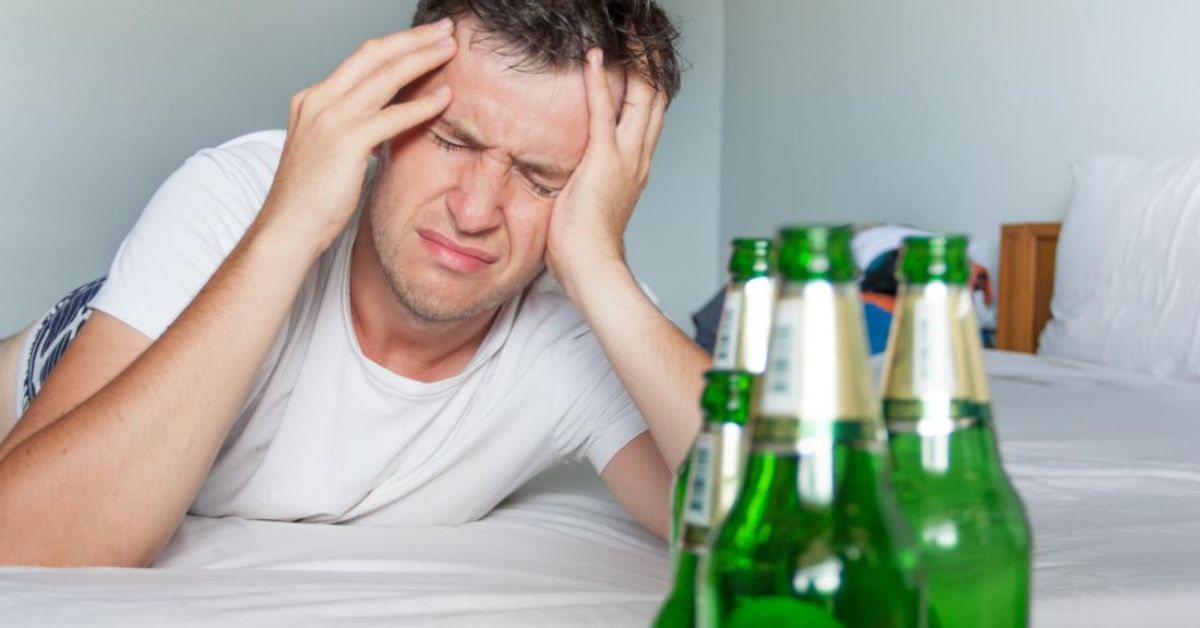
Whether it was a wild night out or just one drink too many, waking up with hangover symptoms is never pleasant. The pounding headache, dry mouth, nausea, and brain fog can turn any morning into a misery. But the good news is, you’re not alone and you don’t have to suffer helplessly.
Hangovers are your body’s way of saying it’s working hard to recover from the effects of alcohol. They affect everyone differently, but the symptoms usually hit in the morning and can last all day. What’s worse is that there’s a lot of confusion about what causes hangovers and how to cure them. That’s why we’ve put together this complete guide to hangover symptoms from what they are and why they happen, to how you can recover fast and get back to feeling like yourself.
In this article, you’ll learn:
- What hangover symptoms to watch for
- Why they occur (science-backed explanations)
- Quick fixes and natural remedies
- The best foods, drinks, and OTC meds to recover
- Prevention strategies so next time isn’t as rough
No fluff. No fake cures. Just real, effective strategies to help you recover faster, feel better sooner, and understand your body better.
Let’s start by identifying the symptoms of a hangover and why they’re happening in the first place.
What Are Hangover Symptoms?
Hangover symptoms are the body’s reaction to drinking more alcohol than it can efficiently process. While one or two drinks might not trigger a hangover, excessive drinking overwhelms the liver and affects nearly every system in the body.
Here are the most common hangover symptoms:
- Headache and sensitivity to light
- Fatigue or weakness
- Dry mouth and excessive thirst
- Nausea, vomiting, or stomach cramps
- Dizziness or spinning sensation
- Poor concentration or “brain fog”
- Mood changes like irritability or anxiety
- Sweating and shakiness
- Muscle aches
- Decreased quality of sleep or restlessness
These symptoms don’t occur all at once for everyone. Some people may feel nauseous but not have a headache, while others might feel anxious and exhausted without any stomach issues.
The severity of your hangover depends on many factors: how much you drank, how quickly you drank it, what you ate (or didn’t eat), your body size, gender, age, and tolerance.
Why Do Hangovers Happen?
Hangovers are the body’s reaction to being overloaded with alcohol. When you drink, your body goes through several processes that disrupt normal function, and these biological changes cause the symptoms we know as a hangover.
Here’s what alcohol does to your body and why you feel so awful afterward:
1. Dehydration
Alcohol is a diuretic, meaning it increases urination and flushes out fluids. This leads to headaches, dry mouth, and dizziness—all classic hangover symptoms.
2. Electrolyte Imbalance
Frequent urination doesn’t just drain water it depletes vital electrolytes like potassium and sodium, leading to fatigue, muscle cramps, and nausea.
3. Acetaldehyde Buildup
As your liver breaks down alcohol, it converts it to acetaldehyde, a toxic compound. High levels of this toxin cause inflammation and trigger symptoms like sweating, vomiting, and rapid heartbeat.
4. Inflammation
Alcohol increases inflammation throughout the body and brain. That’s why you might feel sore, foggy, or irritable the next day.
5. Poor Sleep
Though alcohol may make you drowsy, it disrupts REM sleep, making you feel unrefreshed and groggy the next morning.
6. Low Blood Sugar
Alcohol can cause blood sugar to drop, leading to fatigue, mood swings, shakiness, and brain fog.
7. Gut Irritation
Alcohol increases acid production and irritates the stomach lining, which can cause cramping, nausea, and indigestion.
The more you drink, the more intense these effects. Now, let’s explore how each symptom manifests.
Common Hangover Symptoms Explained
Hangovers vary from person to person, but most people experience a few core symptoms. Understanding them helps you treat each one more effectively.
Headache
Caused by dehydration, dilated blood vessels, and inflammation in the brain. It often feels like a throbbing or pressure-type pain, worsened by light and movement.
Nausea and Vomiting
Alcohol increases acid and irritates the stomach lining, leading to gastric discomfort. It also slows digestion, which causes food to sit longer in your stomach.
Brain Fog and Poor Focus
Disrupted neurotransmitters and poor sleep quality lead to mental fatigue, confusion, and low productivity.
Fatigue and Weakness
Due to a mix of dehydration, blood sugar drops, and poor sleep. Muscles may feel sore or heavy.
Sweating and Shakiness
These are signs of acetaldehyde toxicity and withdrawal. They often hit in the early morning hours as alcohol leaves your system.
Thirst and Dry Mouth
Caused by dehydration and reduced saliva production. You may feel parched no matter how much water you drink.
Anxiety or Irritability (Hangxiety)
A lesser-known symptom. Alcohol disrupts mood-regulating neurotransmitters and raises cortisol, which causes anxiety or low mood after drinking.
Dizziness or Lightheadedness
Often caused by a drop in blood pressure due to dehydration or low blood sugar.
Now that you understand the cause of each hangover symptom, let’s talk about how long they last and when to be concerned.
When Do Hangover Symptoms Start and How Long Do They Last?
Hangover symptoms usually begin 6–10 hours after you stop drinking often when your blood alcohol level approaches zero. This is why you might fall asleep fine, but wake up in the middle of the night or early morning feeling awful.
Timeline Overview:
- 0–6 Hours: Still feeling effects of alcohol; may feel good or sleepy.
- 6–12 Hours: Headache, nausea, and dehydration begin.
- 12–24 Hours: Symptoms peak and may include fatigue, irritability, and body aches.
- 24–48 Hours: Recovery begins, but some people may feel residual fatigue or “hangxiety.”
Most hangovers last about 24 hours, though factors like age, hydration, liver function, and sleep quality can extend or shorten that timeline.
When to Seek Medical Help:
- Symptoms last more than 2 days
- You experience confusion, fainting, or seizures
- Persistent vomiting or signs of alcohol poisoning appear
Speaking of which, let’s quickly distinguish between a bad hangover and something more dangerous.
Hangover vs Alcohol Poisoning Know the Difference
While a hangover is unpleasant, alcohol poisoning is a medical emergency. It’s critical to know the difference.
Hangover Symptoms:
- Throbbing headache
- Mild nausea
- Fatigue and irritability
- Dizziness
- Sweating
- No loss of consciousness
Alcohol Poisoning Symptoms:
- Confusion or stupor
- Vomiting repeatedly or uncontrollably
- Seizures
- Slow or irregular breathing (less than 8 breaths/min)
- Hypothermia or blue-tinged skin
- Unconsciousness or inability to wake up
If someone has any symptoms of alcohol poisoning, call emergency services immediately. Don’t assume they’ll just “sleep it off.”
If it’s a hangover you’re dealing with, the next section will help you recover fast.
Fast Ways to Relieve Hangover Symptoms
Here’s how to bounce back quickly when you wake up with hangover symptoms:
1. Hydrate First
- Drink 2–3 glasses of water or coconut water as soon as you wake up.
- Electrolyte drinks like Pedialyte or sports drinks help replace lost minerals.
2. Eat a Light Breakfast
- Stick to bananas, toast, eggs, or oatmeal.
- Avoid greasy food it can worsen nausea and bloating.
3. Have Caffeine, But Not Too Much
- A cup of coffee or tea can help clear brain fog and relieve headaches.
- Don’t overdo it too much caffeine can irritate your stomach.
4. Take an NSAID
- Ibuprofen or naproxen reduce inflammation and headache.
- Avoid acetaminophen (Tylenol), as it stresses your liver further.
5. Get Fresh Air
- Step outside, take deep breaths, and move around gently.
- A short walk can help boost circulation and energy.
6. Try a Cold Shower
- Refreshes your system, improves alertness, and reduces the feeling of grogginess.
7. Nap if You Can
- Sleep is the most powerful healer. Even 30–60 minutes can reset your body.
Let’s look at what you should eat and drink to support recovery.
Best Foods and Drinks for Hangover Recovery
Eating the right foods can speed up your hangover recovery. Here are your best choices:
Best Foods:
- Bananas: Replenish potassium.
- Eggs: Rich in cysteine, which breaks down acetaldehyde.
- Oats: Gentle on the stomach and stabilise blood sugar.
- Toast: Bland and easy to digest.
- Avocado: Full of healthy fats and potassium.
Best Drinks:
- Coconut water: Hydrates and provides electrolytes.
- Ginger tea: Soothes nausea and aids digestion.
- Peppermint tea: Calms the stomach and reduces gas.
- Bone broth: Nutrient-dense, hydrating, and restorative.
Avoid These:
- Greasy or fried foods: They can irritate the stomach lining.
- Sugary drinks: Cause blood sugar spikes and crashes.
- More alcohol (“hair of the dog”): Delays recovery and adds stress to your liver.
Now let’s talk about natural home remedies that can complement these strategies.
Natural Home Remedies That Help
Nature has its own hangover cures. Here are proven natural remedies to ease hangover symptoms:
1. Ginger
- Fresh ginger slices or ginger tea reduce nausea and vomiting.
2. Lemon Water
- Alkalises the body, boosts hydration, and supports liver detox.
3. Honey
- Contains fructose, which speeds alcohol metabolism.
- Add to tea or eat by the spoonful.
4. Sea Salt + Water
- Mix ¼ tsp of sea salt in warm water to replenish lost sodium and reduce cramping.
5. Activated Charcoal (before drinking)
- Helps absorb toxins and reduce alcohol absorption.
- Best taken before or during drinking not after.
6. Essential Oils
- Peppermint or lavender oil can relieve headaches and tension. Apply to temples or inhale.
These natural remedies can be used alongside medical or food-based recovery strategies for a holistic approach.
OTC Medications for Hangover Relief
When natural methods aren’t enough, over-the-counter medications can help:
1. Ibuprofen (Advil, Motrin)
- Reduces inflammation and relieves headache or body aches.
2. Antacids (Tums, Pepto-Bismol, Rolaids)
- Soothes upset stomach and indigestion.
3. Dramamine or Meclizine
- Helps control nausea, especially if you’re sensitive to motion or light.
Avoid:
- Tylenol (Acetaminophen): May damage your liver when combined with alcohol residue.
Always follow dosing instructions and drink plenty of water when taking any medication during a hangover.
What to Avoid During a Hangover
Some things can make a hangover worse, so steer clear of:
More Alcohol (Hair of the Dog)
- It only delays symptoms and adds more toxins for your body to clear.
Caffeine Overload
- Too much coffee can dehydrate and irritate your stomach.
Junk Food
- Greasy, spicy, or processed foods worsen inflammation.
Intense Exercise
- Stick to light movement. Heavy workouts may worsen dehydration and fatigue.
Stress
- Avoid high-stress situations. Your nervous system is already out of balance.
Your focus should be on hydrating, resting, and repairing.
Prevention Tips: How to Drink Without the Crash
The best way to beat a hangover is to prevent it. Use these strategies next time you drink:
1. Eat Before and During Drinking
- A meal with fat, protein, and fibre slows alcohol absorption.
2. Hydrate Consistently
- Drink one glass of water between each alcoholic drink.
3. Choose Clear Liquors
- Vodka and gin have fewer congeners than whiskey or dark rum congeners worsen hangovers.
4. Avoid Sugary Cocktails
- Sugar increases dehydration and worsens nausea.
5. Pace Yourself
- Stick to one drink per hour and stop at a comfortable limit.
6. Prioritise Sleep
- Alcohol ruins REM sleep. Plan for extra rest the next morning.
These tips will reduce your hangover risk dramatically.
FAQs:
Q1: Can you have a hangover after 2 drinks?
Yes, especially if you’re dehydrated, sensitive to alcohol, or drank on an empty stomach.
Q2: Does throwing up help a hangover?
It may reduce nausea temporarily, but doesn’t speed recovery. Focus on hydration and rest.
Q3: Can a hangover last more than 24 hours?
Yes. In some cases, symptoms like fatigue or anxiety may last up to 48 hours.
Q4: What’s the best hangover cure?
There’s no magic bullet, but water, electrolytes, food, and sleep are the most effective combo.
Q5: Are hangovers worse with age?
Yes. The body’s ability to process alcohol declines with age, especially after 30.
Must Read:
Final Words:
Hangovers may feel brutal, but they’re your body’s way of saying it needs care and recovery. By understanding what causes hangover symptoms and how to treat them, you can bounce back faster and feel better sooner.
To summarise:
- Hydrate before, during, and after drinking.
- Support your liver and gut with the right foods and natural remedies.
- Use medications wisely and only as needed.
- Prioritise prevention next time by drinking smarter.
And most importantly listen to your body. Recovery takes time, so rest when you need it. With the tools in this guide, you’ll be equipped to handle any hangover like a pro.